

As organizations continue to navigate a rapidly changing landscape, it is increasingly important for your team leaders to have the necessary skills to succeed. However, knowing when to provide training to team leaders can be a difficult decision for Learning and Development professionals. Based on my observations and research over the past decade, i have seen far too much wasted resource on the mistiming of learning interventions. All too often, I facilitate groups of participants who are unsure why they are attending our sessions. Equally frequent, is the absence of conversations between participants and their reporting managers about why they are attending courses, it appears more of a “we need twenty-five on this course” rather than here are the people who could most benefit from this learning intervention.
As a result of this, I seriously recommend that training should be provided primarily to team leaders when they are aware that they are in the stage of conscious incompetence. This is when, I perceive, they are most motivated to learn and improve their skills and practice application of newly learnt capabilities.
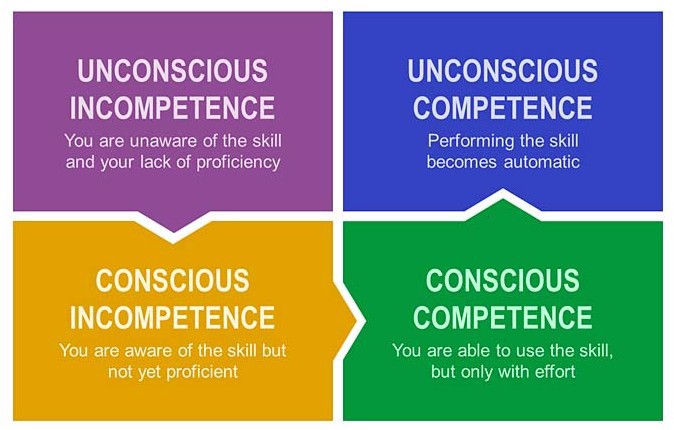
To guide this approach, let me share the four stages of learning that can be used as a guide Unconscious incompetence is the first stage of the learning journey, where team leaders lack awareness of their knowledge gaps and all skills seem easy to do. The second stage, conscious incompetence, involves recognizing personal skill gaps and potentially feeling frustrated in performance as a motivator to learning. Here the reporting manager finds the best learning intervention to assist leaders bridge their skill gaps. The third stage, conscious competence, is where team leaders have newly acquired skills but still need to focus and concentrate when applying them – here the reporting manager can act as a coach to oversee and assist application . Finally, in the fourth stage, unconscious competence, team leaders have made the new skills second nature and require little conscious thought to utilize .
Unconscious incompetence; at this stage, team leaders lack the awareness of their knowledge gaps and may not realize that there is room for improvement in their skills. This is a crucial stage for Learning and Development managers to identify, as team leaders may be limited in their ability to lead their teams without realizing it. For example, a team leader who lacks communication skills may not even recognize that they are not effectively communicating with their team.
Conscious incompetence; where team leaders recognize their knowledge gaps and may feel frustrated or overwhelmed. This is the stage where team leaders are most motivated to learn, and providing training at this stage can have a significant impact on their ability to grow and develop their skills. For example, a team leader who has received feedback on their communication skills and recognizes the need for improvement may be more motivated to learn effective communication strategies.
Conscious competence; at this stage, team leaders have acquired new skills and are actively working to apply them, but may be afraid to try and fail. Reporting Managers can provide a psychologically safe environment to enable new leaders to try their skills. Mentoring or coaching in the field is also a useful support. However, the newly trained still need to focus and concentrate to utilize these skills effectively. Learning and Development managers can support team leaders at this stage by providing ongoing training and opportunities to practice and reinforce their skills. For example, a team leader who has received communication training may be actively working to implement their new skills in team meetings and one-on-one conversations.
Unconscious competence; where team leaders have made the new skills second nature and require little conscious thought to utilize them. While this is the ultimate goal of any learning and development program, it is important for team leaders to continue practicing and refining their skills to maintain their proficiency. This is when reporting managers can use these leaders as inhouse mentors or trainers to assist other newer managers to learn on the job. For example, a team leader who has become proficient in communication skills may need to continue practicing to maintain their effectiveness over time.
In conclusion, providing training to team leaders at the right time is crucial to organizational success. By using the four stages of learning as a guide, Learning and Development managers can ensure that team leaders are motivated to learn and have the necessary skills to succeed. Understanding the different stages of learning can help managers identify when team leaders are ready for training and provide targeted support throughout the learning process. Ultimately, this approach can help team leaders acquire the necessary skills to effectively lead their teams and improve team performance.