

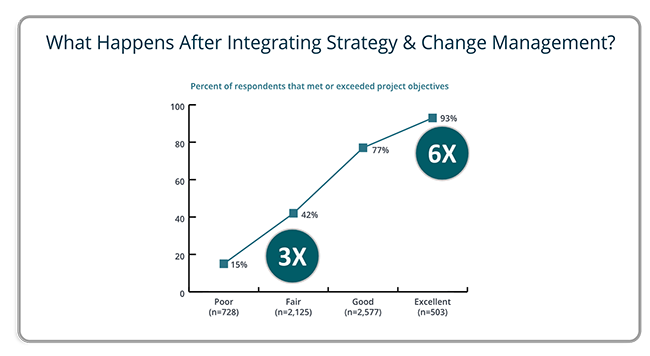
A critical focus of my facilitation is starting an engagement talking about strategy then finishing up with change management as a means to sustainably implement the strategy. Here are some ideas that I have learnt about these two topics.
Strategy creates the building, change management moves people through it.

Simply put, during organizational change, strategy creates the process, and change management mobilizes the people.
But how do you move your organization through the many inevitable bumps that massive change will bring? Here are the dos and don’ts as you set out in your change management process:
DO: Show people what is in it for them. Often people know a change is coming, but they don’t know why. Implementing a good change management strategy helps people clearly understand the purpose of the change. Showing people what’s in it is a great motivator for buying in.
DO: Have a clear approach to change. Just as in strategic planning, you need a simple plan for change. Two-side- simple plan; effectively implemented. People need to know what is being asked of them and why it matters. I use the ABC ( aware, believe, commit) approach as it’s the simplest comprehensive approach to change.

DON’T: Ignore resistance to change. Not everyone wants to come along, and you’ll likely face resistance! But use that as an opportunity for feedback; resistance shows you what isn’t working in your organization. More importantly what we call resistance often isn’t. It could be inertia, or stays who bias, or yesterdays successful habits, or anxiety about potential failure. If you understand the change process what is called resistance is a natural questioning of why change is needed and when you provide clear and compelling reasons why it melts into the background.
DON’T: Think no news is good news. In aligning though genuine feedback, you’ll want to ensure your strategy addresses change management and vice versa. By hearing from key opinion influencers and applying a tactical approach, you can successfully see where we are today from your teams perspective and where they think you want to be in the future
Takeaway #2: leadership is getting people to move with you, not against you.
Success in leading change and leading successful strategic planning, requires getting your team to move with you, not against you. To help unite your team, follow these dos and don’ts
DO: Find sponsor. While it’s often said that change starts from the top down. Finding a senior executive sponsor and finding ways to help them be a change agent is really useful. Support from the top helps create a trickle-down effect. But equally resistance or inertia to change occurs lower down so also recruit change sponsors amongst the informal leadership. Whilst we all align with senior leaders, it’s what happens on the ground when they are not around that counts.
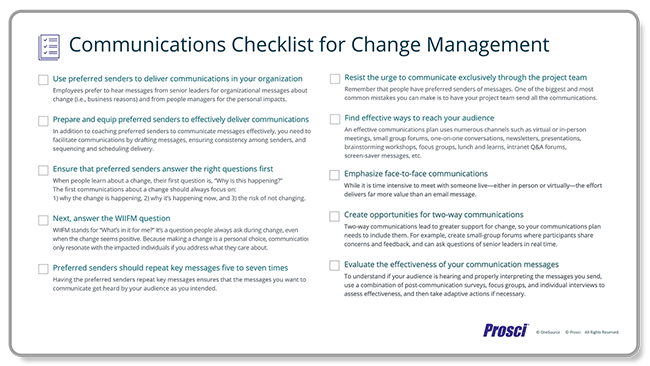
DO: Communicate clearly and consistently. Strategic planning and change management BOTH require communicating simply, consistently and clearly. Be clear who you’re speaking to, at what level, and with what consistency. Proactively addressing internal fires with clear messaging will help tackle some of your most important strategic issues. Remember different people look for different messages; so prepare messages that focus on logos, ethos, and pathos around a central truth about the future.
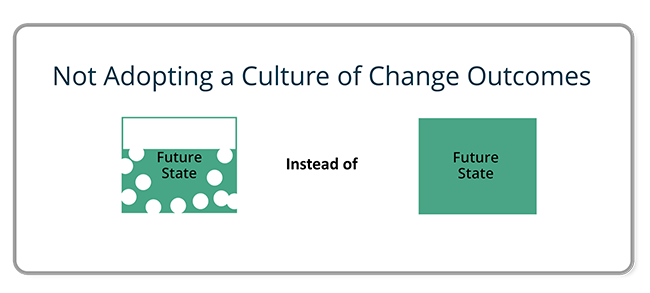
DON’T: Be ad-hock with change management structures. Be intentional about the methods and tactics you use to create change. A simple but well-made plan creates consistency; an ad-hoc system can create holes. The less considered the transition process, the more likely the future state could have a lot of missing parts.
Takeaway #3: Use change to build trust.
Being a great leader – change management or not – requires creating mutual trust within your team. Here are a few proven dos and don’t as you help create trust during this process:
DO: Be humble – admit that change requires a fluid process and you don’t know every answer but you’re committed to finding them. this is where the support of your trusted sponsors really helps.
DON’T: Overcomplicate your approach. Be thoughtful and intentional, but don’t overcomplicate it. Just focus on creating clear, simple communication that creates trust. ABC – awareness, belief, commitment is a superbly simple structure. Know when yoyve achieved the result you need in each stage then move on.
DO: Allow your employees to be heard. People don’t just want to come to work anymore – they want their voices heard and incorporated into the plan. Co-creation is the essence of commitment- get into it.
The entire point of strategic planning and change management is to create a better version of your organization. Figure out the who, the what, and the why of change and communicate that clearly.
- Where are we going and why?
- Who is required to help reach that destination – why is every individual important?
- What are we seeking to achieve?
- Why is it important we adapt and move to that destination?
After facilitating strategy and change discussions for almost a decade these are the tips I have learnt from the questions and comments of over a thousand Singapore middle manager who are tasked with doing strategy and change but with few resources and little support