Where will GIANT-5 grow next?

They were once the BIG 5 — Apple, Microsoft, Amazon, Alphabet, and Facebook – they are now the GIANT 5 as their market capitalisation rose to a new record of $6.6 trillion.  Investors are asking where future growth will come from.

Since their combined low point on March 16, 2020 their market capitalisation has soared by 51%. That’s an increase of $2.1 trillion in a little over three months.… Read more
Amazon will NEVER make a profit…

Here’s why I think that; its not because they can’t, but because to do so is not in their or their shareholders best interest.

Increasingly, businesses don’t generate profits. They generate capital gains. 

Here’s the US opportunity… if your company makes profits, it will have to pay taxes on them. (nominally, in theory, 35%) Then you and your investors will have to pay taxes on them again when they’re distributed to as dividends.… Read more

More on Amazon- Wholefoods… drive for Scale

Taiwan based tech strategist Ben Thompson has a different, and interesting perspective on Amazon- Wholefoods, he writes:
(The big issue is ) logistics: Amazon is building out a delivery network with itself as the first-and-best customer; in the long run it seems obvious said logistics services will be exposed as a platform.

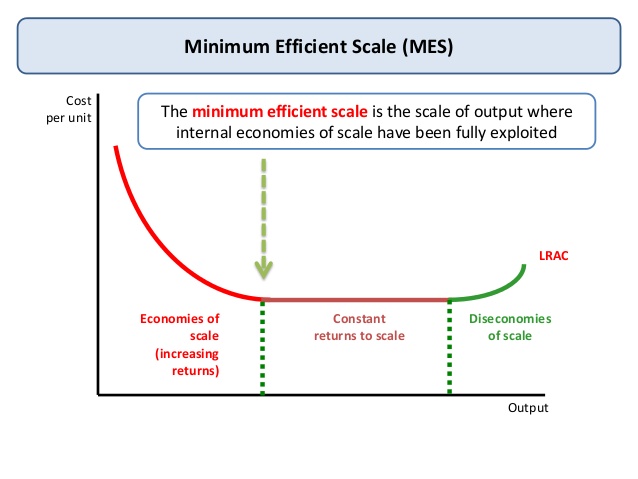
Amazon has never had sufficient scale in the grocery business to attract the best deals and to provide the cheapest service.… Read more

Amazon, Wholefoods and shoppers

Media is abuzz with Amazons recent bid for Wholefoods grocery chain.

Amazon agreed to acquire Whole Foods for $13.7 billion, a 27% premium over the stock price on Thursday at close, and now intends to push down prices and go after Wal-Mart Stores, Target, the German discounters Aldi and Lidl that are expanding in the US, Costco, and grocery store chains, such as Kroger and the private-equity owned chains Safeway and Albertson’s.… Read more

What’s dangerous about disruption

The danger of disruptors and disruption is quite simple- they don’t care about your industry and have nothing to lose if they destroy it or you or even their own innovative new business. That’s dangerous competition.

In the last two weeks I’ve described Christensen’s theory of Disruptive Innovation, and last week I covered the other elements that can impact on disruption that Christensen didn’t take into account.… Read more