
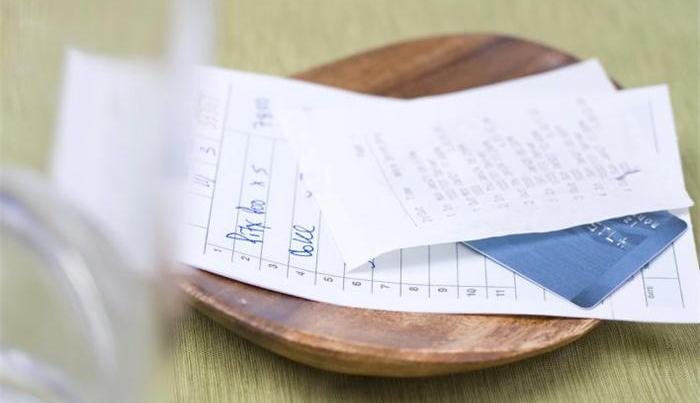
I’ve been faced with this many times- even yesterday at a coffee meeting with colleagues- who pays? I used to be a cheapskate when it came to paying- you’ve finished lunch and its time for someone to ask for the bill… How to decide who picks up the bill?
Best case, it’s an awkward moment as you look around the table. Worst case, your thoughtlessness or ad-hoc solution to the dilemma can create a potential rift in a business relationship.
You may think it’s silly or unprofessional to make a big deal out of something as trivial as a few dollars for lunch. I couldn’t agree more. But some people do. Some even keep track of who buys and who doesn’t. Why take a chance on looking foolish, cheap, or both?
I’ve got a better idea. Here are five rules for knowing when to pick up the check.
1. The boss should always pay. If there is a boss at the table, even a former boss, he should pay (yes guys, that means me a lot of the time). Many don’t but they should. Even if everyone isn’t in the same organization, senior level people should definitely offer to pick up the tab. If they don’t, they don’t just look cheap: they are cheap.
2. If someone offers, graciously accept. I believe that, when you accept a gift, you honour the giver. I don’t know where or when I first heard that, but I’ve followed it for ages and it’s never failed me yet. If someone offers to pay, don’t start some ego battle over who should pick it up, its not nice having the charade, “no I’ll pay… when if you had meant it you should have picked up the bill earlier” . Just thank them, and try to be quicker getting the bill next time.
3. If nobody picks up the check, you should. If no one asks for the bill, ask for it. if no one offers as the waiter drops the bill, that’s just awkward. The more time passes, the more uncomfortable it gets. At that point, you have two choices: plunk down your credit card or suggest you all split it. I’d do the former, but if you decide to split it, do it evenly. Never get into it over who had what or ask the waiter for separate checks. I don’t care if someone had wine with his entrée and you just had a salad. It’s trivial.
4. The vendor usually picks up the tab. In a customer-vendor relationship, the vendor usually pays. That’s because their company is presumably on the receiving end of a business transaction. There are exceptions. If the vendor is a small business and the customer is a large corporation or the vendor travelled to the customer’s home country, that’s a different story. Also some companies have a policy against vendors buying.
5. Whoever’s getting a favour should pay. If someone is making a business introduction, coaching you, or helping you out in some material way, if it happens to be over a meal, then you should pick up the tab–if you can afford to, that is. If it’s not over a meal, do not say something like, “I owe you a lunch” like so many do. That trivializes what they’ve done for you and suggests that’s all their time is worth.
Now, here are some things that should not enter into the picture. It doesn’t matter if you’re actually talking business, whose idea it was to go out, if you’re friends, who can expense it, or who ate or drank more. That’s just splitting hairs.
If it’s the same group that goes out all the time, you can try to play the “who bought last time” game if you want but, to me, that’s just ridiculous. You really should have more important things on your mind.
Don’t waste your precious brain cells on small matters. Just pick up the bill. And if this is a problem, don’t go to lunch or the bar… Meet in the office, the coffee’s free.