
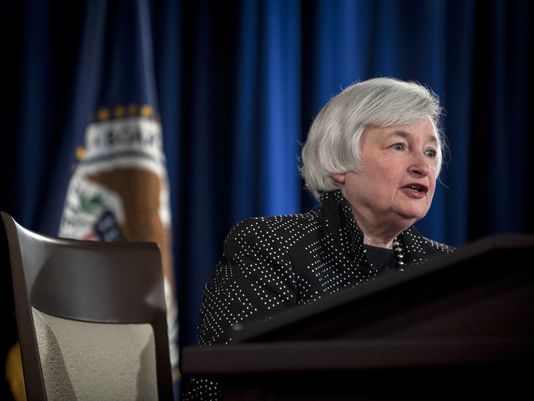
Our economic future is increasingly in her hands.
We have been enjoying a ZIRP (US zero interest rate policy) world recently. With the improvement in the US economy, the Fed suggested at its policy meeting in March that the program may end this coming autumn and it may start raising interest rates about six months from then. The latest pronouncements have underlined this, pointing out that the Fed responds to data and the data is looking better and better. So in addition to reduced purchase of US Bonds, the Fed is likely to increase interest rates to avoid and overheated economy.

So what could happen here when the US Federal reserve increases their interest rates?
ASEAN economies are not homogenous and the impact of higher US interest rates are unlikely to be uniform. Countries with external financial imbalances or a reliance on external funding would be the most vulnerable to the effects of higher rates. This is why Indonesia (and India) for example— have been hit the most since QE reduction started late last year with their currencies weakening as US money flowed back to the US.
I think ASEAN economies could be severely impacted. Here’s how this could transpire
Capital Outflow
Higher yields on less risky US assets (with increased bank rates in the US) attracts capital, thus reversing the current international capital flows to ASEAN seeking our higher interest rates. Heightened uncertainty in ASEAN economies will further hike risk premiums, and therefore increasing the cost of local capital hurting local businesses with higher interest rates.
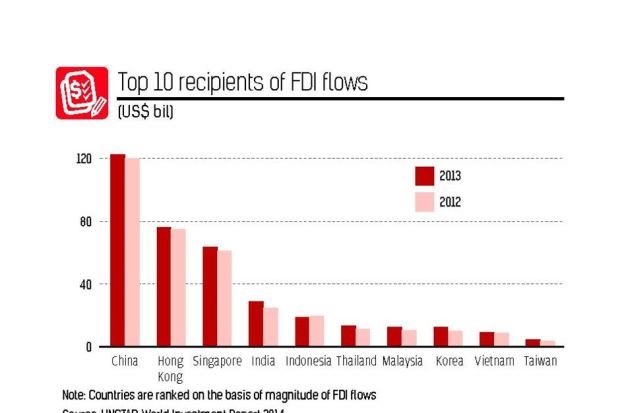
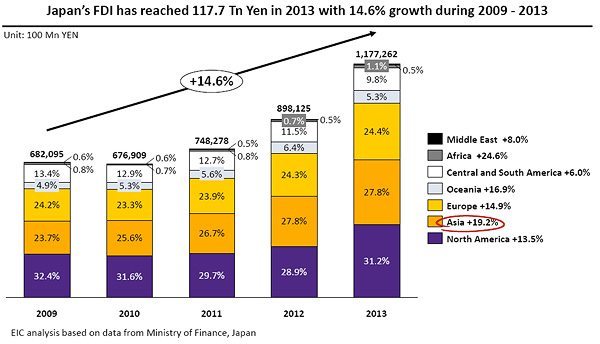
If these rate rises flow into Japan a significant amount of foreign investment could be repatriated as well. Japanese companies have invested heavily in ASEAN seeking better returns for their investments. The Japanese government low interest rates has spurred companies to borrow in Japan and then invest overseas. Higher rates at home could halt or reverse this trend.
Currency depreciation
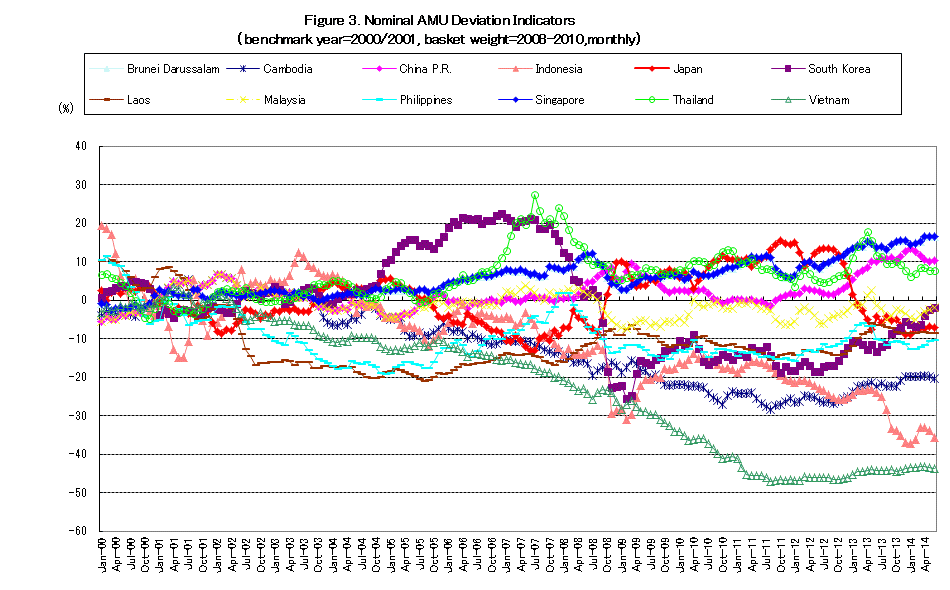
With an outflow from local currencies into USD, GBP and potentially Yen, downward exchange pressure will come onto local currencies. The result will be either ASEAN governments use their foreign currency holdings to prop up their local currency, or their currencies will depreciate.
Higher domestic interest rates
Higher US Fed interest rates result in higher domestic borrowing rates which may exert downward pressure on domestic investment and consumption. Previous evidence indicates that local interest rates in Asian developing economies tend to follow movements in short-term US rates regardless of existing exchange rate regimes. Higher rates may not hurt the property trade in Singapore too much as the Government can withdraw a variety of cooling measures. But your mortgage will increase in cost. But overseas demand for Singapore property is likely to crash and extreme pressure come on high end property as interest rates rise and overseas investors seek to liquidate. Malaysia could also see heavily increased rates and a slump in property. If Chinese mortgage rates follow this trend a major property crisis domestically and overseas will follow.
Reduced consumer consumption
Consumer expectations of higher US and international interest rates may dampen global consumption spending, hence reducing demand for ASEAN exports. Higher interest rates also raise the borrowing cost of and debt burdens on the government and public sector.
Reducing GDP
The higher cost of capital reflecting heightened financial volatility and risk premiums would have important implications for future economic growth in many Asian economies, especially those which rely on foreign capital to fund their vital investments. Previous experience suggests the loss of real income in emerging Asia can amount to nearly half a percentage point reduction in real GDP growth for each 1 percentage point increase in the US interest rate.
Stock market volatility
Many investors have been forced out of the bond market with continued low interest levels. With an increase in rates, there will be a significant move out of stocks and back into less risky bonds. This is multiplied for ASEAN and Asia as US funds are repatriated as well as moving from stocks to bonds, expect greater than normal losses in the local share markets.
While this may sound bad, its not actually that bad, as the increase in interest rates is a response to an improving world business environment. But it will be a shock to the system initially when rates rise as investors and property owners will have to reassess how they invest. Some who are over-leveraged with too many loans will have to sell some assets. And this could be an opportunity if you are able to buy. Several bankers are expecting a 10% dip in stock prices, but it could be more. And the frothy property market will stabilize.
Having said all this, you really need a plan to implement once interest rates start rising. So what’s your plan?