

Serious games, leveraging the intrinsic motivation and engagement of gaming, have emerged as an innovative training technique in the business world. They have the potential to simulate real-world scenarios, enabling players to practice strategic decision-making, risk management, and resource allocation, among other vital skills, in a safe and controlled environment. The key to their effectiveness lies in their ability to present complex concepts in an interactive and engaging manner, promoting experiential learning, and encouraging critical thinking.
These games can be tailored to various business contexts, reflecting the complexity and dynamism of the actual business environment. Players can experiment with different strategies, experience the consequences of their decisions, and learn from their mistakes, all without risking actual resources. The collaborative nature of many of these games also fosters teamwork and communication, crucial elements in the realm of business.
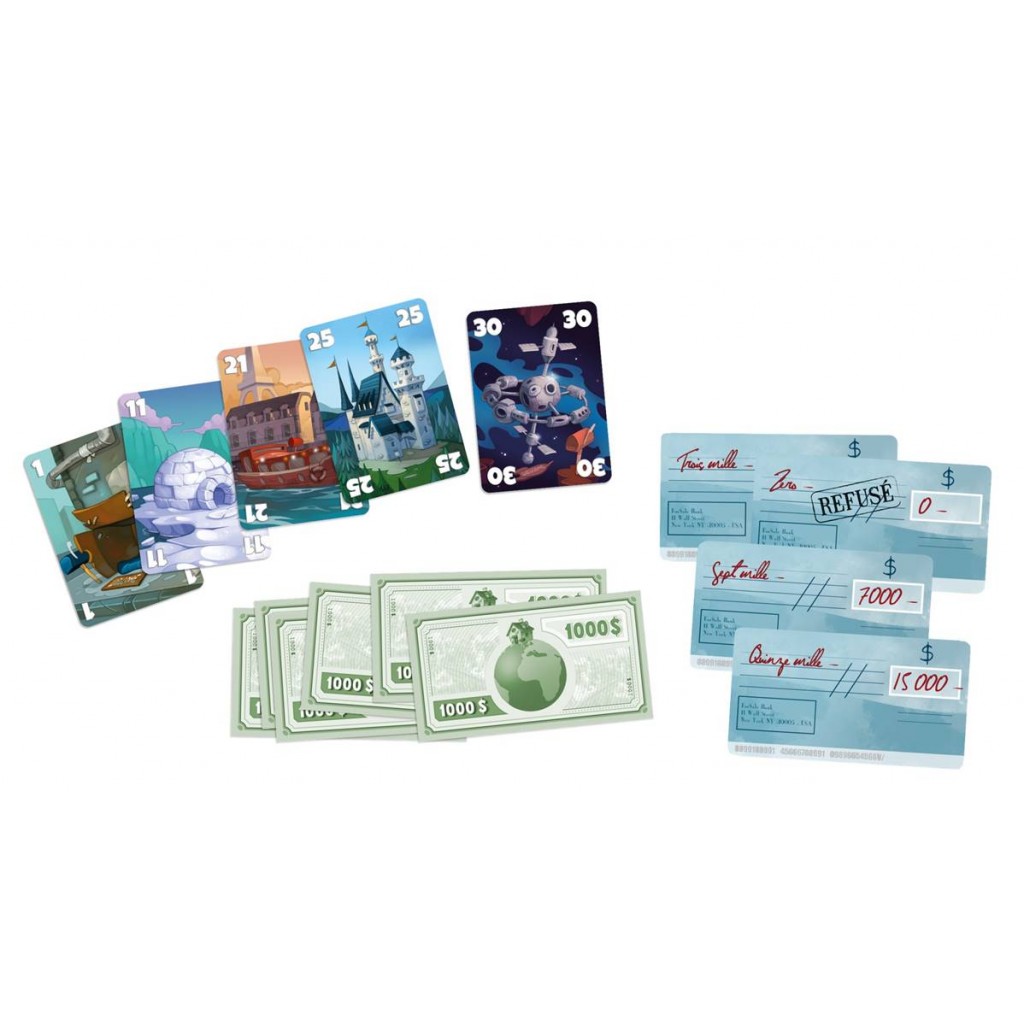
For Sale, a classic auction-based board game, is one such serious game that can be utilized for teaching business strategy. Engaging and easy-to-understand, it offers players the chance to delve into the world of real estate trading and more.

The game revolves around leasing and then renting out properties, with two distinct phases – acquisition and disposal. In the acquisition leasing phase, players bid on a range of properties, each with a unique value. This phase of the game requires strategic bidding and clever management of resources, as players must allocate their limited funds (same as other players) across multiple properties while outbidding their opponents. If players withdraw from the bid process they get the lowest available property but also receive half their bid back. The goal here is not necessarily to be the highest bidder, but to achieve a high-value property at the most efficient cost – a clear reflection of real-world investment strategies.
The disposal renting phase presents its own set of challenges. Players must now rent their properties, aiming to maximize their return on investment. The twist lies in the element of uncertainty; the value of rental checks available for properties is not known in advance. This phase requires players to make informed decisions, take calculated risks, and anticipate market trends what their competitors do, akin to real-world business scenarios.
This summarises the basic “how to win” question asked by Lafley & Martin in Playing to Win. Participants focus on what skills resources and capabilities they have to try to create a temporary advantage within each game.
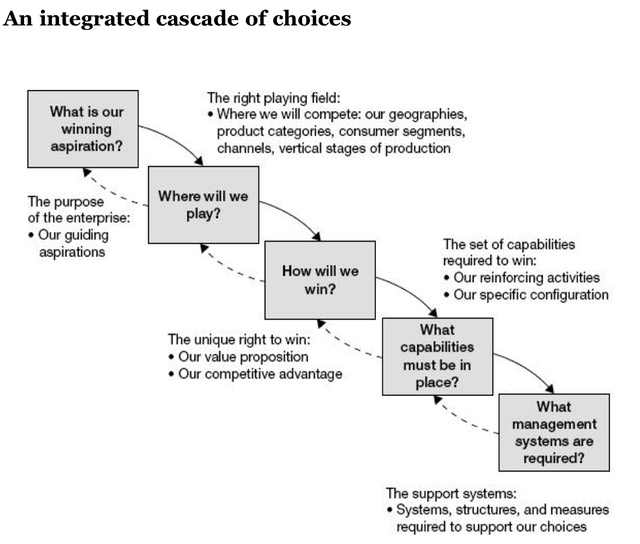
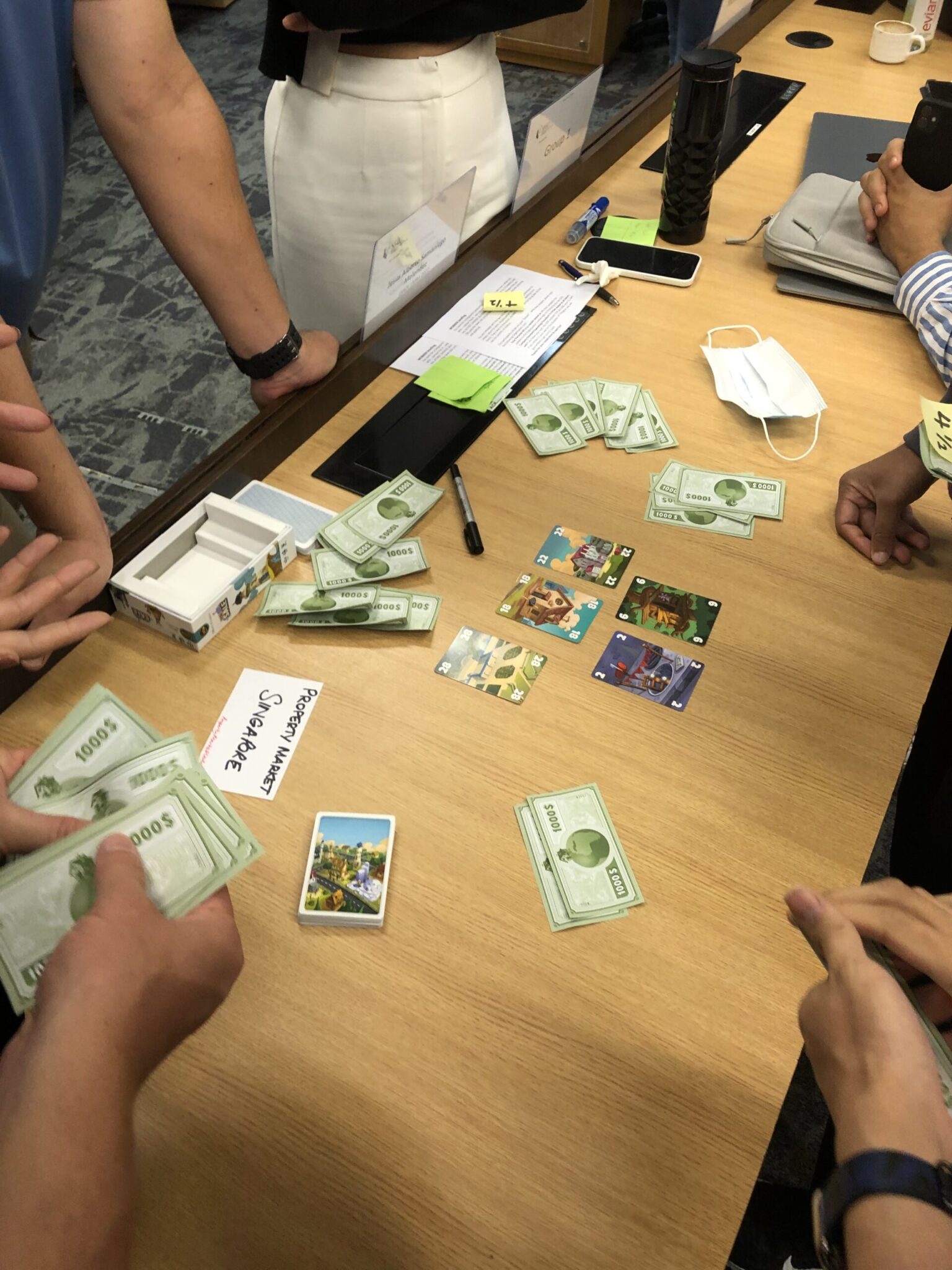
I have added an extra element – “where to play” – by adding both a team element and providing a range of games in which the team members could compete. There are fewer games than the number of teams but more than the number of players in each team necessitating choice. Additionally I have manipulated the value in each market (some are worth substantially more or less than the average) and have left subtle clues to enable the curious to discover.
Over two rounds, with a debrief between, participants become aware of this value difference and identify strategies to maximise their return. Most strategies are typically stymied by over-competition in the most valuable markets and occasionally less valuable markets with less competition can deliver better results. There are also subtle changes to strategy by having more than one player in a market or trying to create a monopoly in a lower value game. Sometimes players pool resources giving better negotiators more resources for more valuable markets.
For Sale’s engaging mechanics and the need for strategic decision-making throughout offer valuable lessons in business strategy. Across the game the “where to play” question – often difficult to demonstrate in learning situations – becomes clear as players mentally calculate the value-competition trade-off. And once ensconced in a game “how to win” emphasizes the importance of efficient resource allocation, strategic bidding, market prediction, and risk management – all crucial components of successful business ventures. By playing For Sale, players can hone these skills and apply them to real-world business scenarios, making it a valuable tool in the repertoire of serious games for business training