

In the third of our series of posts on transitioning to becoming a General Manager I’d like to dicuss the expertise that got you the GMs job and how this strength can become a weakness.
This transition is often called moving from being an “I-shaped” specialist to a “t-shaped” generalist
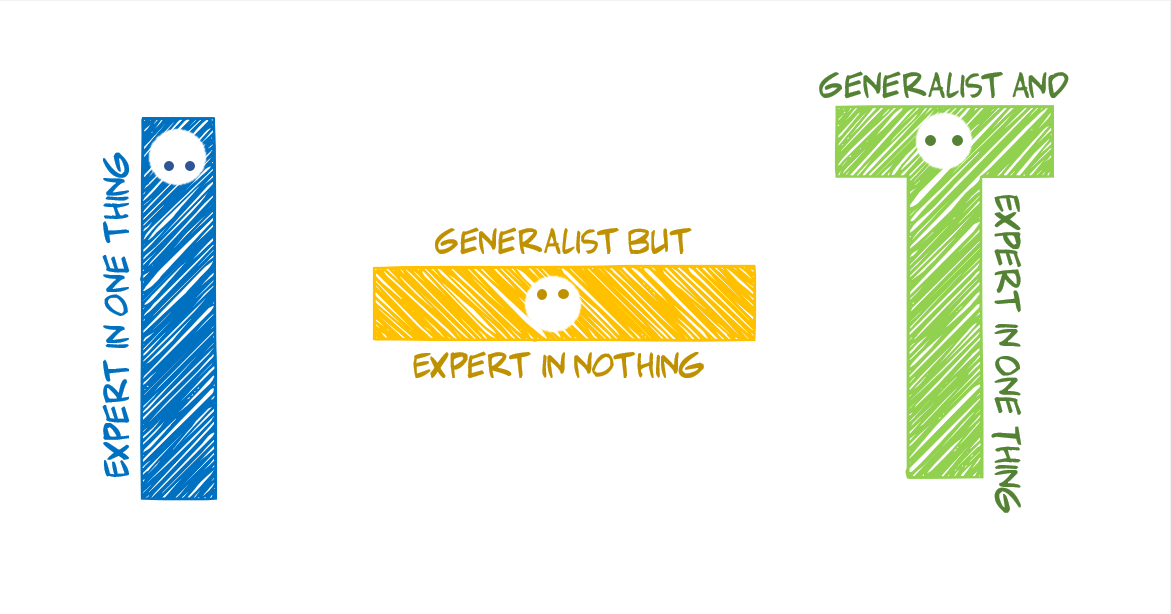
As a new leader, you may have worked your way up the ladder by being an expert in your field. It’s only natural to feel that your success is attributable to your specialist knowledge or expertise. However, this can sometimes lead to a tendency to rely solely on this knowledge as you move into a wider role. While it’s true that your expertise is an asset, it can also be a liability if you don’t appreciate the importance of other parts of the business. In this blog post, we’ll explore how successful functional managers can avoid this trap and become effective leaders.
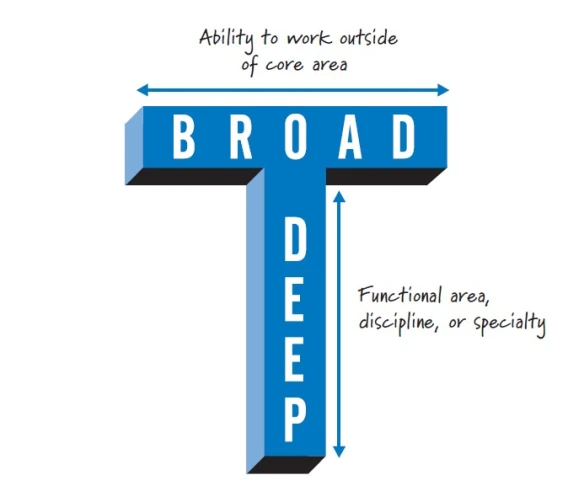
- Develop a broad understanding of the business
One of the key ways to avoid relying solely on your specialist knowledge is to develop a broad understanding of the business. Take the time to learn about other departments and how they contribute to the overall success of the organization. This will help you appreciate the bigger picture and make more informed decisions that take into account the impact on the entire organization.
- Surround yourself with diverse perspectives
As a leader, you don’t have to know everything. Instead, surround yourself with people who bring different perspectives and skillsets to the table. This can include people from different departments, backgrounds, and experiences. By seeking out diverse perspectives, you’ll be better equipped to make informed decisions that take into account the needs of the entire organization.
- Foster a culture of collaboration
Another way to avoid relying solely on your specialist knowledge is to foster a culture of collaboration. Encourage open communication and teamwork among different departments. This will help break down silos and promote a shared sense of purpose. When people work together, they’re more likely to appreciate the importance of other parts of the business and be more willing to collaborate on solutions that benefit the entire organization.
- Seek out new learning opportunities
It’s important to continue learning and growing as a leader. Seek out new learning opportunities that will broaden your understanding of the business. This could include attending conferences, taking courses, or seeking out mentorship from experienced leaders. By continuing to learn, you’ll be better equipped to lead effectively and make informed decisions.
- Empower your team
Finally, it’s important to empower your team. Give them the tools and resources they need to succeed, and trust them to make decisions and take ownership of their work. When your team feels empowered, they’re more likely to collaborate and work together towards a shared goal. This will help you avoid relying solely on your specialist knowledge and promote a culture of collaboration and teamwork.
As a new leader, it’s important to recognize the importance of your specialist knowledge while also appreciating the importance of other parts of the business. By developing a broad understanding of the business, seeking out diverse perspectives, fostering a culture of collaboration, seeking out new learning opportunities, and empowering your team, you can become an effective leader who understands and appreciates the needs of the entire organization.