

“I cannot teach anybody anything, I can only make them think.” This Socratic sentiment speaks to the power of asking questions as a means of unlocking new insights and generating fresh ideas. As a leader, you have the opportunity to harness this power by adopting an enquiry-based approach to leadership. While advocacy can be an effective leadership style in some situations, adopting an enquiry-based approach can help you to build trust, engage your team, and uncover new perspectives that may have been overlooked. By asking better questions, you can challenge assumptions, stimulate creativity, and build deeper connections with your team. So the question is, are you ready to become a master of the art of questioning?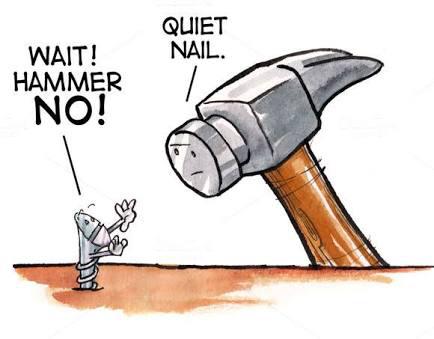
As a leader, it’s easy to fall into the trap of providing easy answers and solutions to problems. However, true leadership lies in asking the right questions to help your team discover their own answers and develop their critical thinking skills. As the old proverb goes, “If you give a man a hammer, everything looks like a nail.” Similarly, if you only provide solutions, your team may become overly reliant on you for guidance and miss out on opportunities to develop their own problem-solving abilities. But by asking thought-provoking questions, you can empower your team to think for themselves and approach challenges from new and creative angles. Remember, the most effective leaders don’t just provide answers – they ask the right questions to spark growth and innovation.
Here are some key strategies for asking better questions as a leader:
- Ask thought-provoking questions: To create deep insights, it’s important to ask questions that challenge assumptions, provoke thought, and encourage creativity. By asking thought-provoking questions, you can stimulate your team’s imagination and help them to generate fresh ideas. Examples of thought-provoking questions include: “What if we approached this problem from a completely different angle?” or “What are some unconventional solutions we haven’t considered yet?”
- Ask questions that focus on the underlying reasons: Sometimes, the surface-level answer to a question isn’t enough to create deep insights. To truly understand a situation or problem, it’s important to ask questions that get to the underlying reasons. By asking questions that focus on the root cause of a problem, you can gain a deeper understanding of the issue at hand. Examples of these types of questions include: “What is the root cause of this problem?” or “What values or beliefs are driving this decision?”
- Use the power of silence: Silence can be a powerful tool when it comes to asking better questions. By pausing and giving the person you’re questioning time to think and reflect, you can create space for deeper insights to emerge. Avoid the temptation to fill the silence with your own thoughts or ideas. Instead, give your team the time and space they need to explore their own thoughts and ideas.
- Ask questions that challenge assumptions: Often, people hold onto assumptions that they’ve never fully examined or questioned. By asking questions that challenge these assumptions, you can uncover new insights and perspectives. For example, if you’re discussing a controversial topic like gun control, you could ask: “Why do you believe that the right to own a gun is more important than the right to feel safe in public spaces?” This question challenges the assumption that the right to own a gun is inherently more valuable than other rights.
- Ask questions that encourage self-reflection: Sometimes, the best insights come from within. By asking questions that encourage self-reflection, you can help someone to explore their own thoughts, feelings, and experiences. For example, if someone is struggling with a difficult decision, you could ask: “What does your gut instinct tell you?” This question encourages the person to tune into their own intuition and reflect on what feels right to them.
Asking better questions is a skill that can be developed over time with practice and intentionality. By adopting an enquiry-based leadership style, you can create a more collaborative, engaged, and innovative team. So the next time you’re faced with a challenge or opportunity, remember: the greatest skill you possess as a leader may just be the ability to ask better questions
Addendum … refer here for a more specific questioning process…
Start with a specific question: “What are the main factors that have contributed to the current situation?”, “What specific goals are we trying to achieve?”
Use active listening: “Can you tell me more about that?”, “What are the key concerns that you have about this issue?”
Probe deeper: “How do you think we can overcome this challenge?”, “What alternative perspectives or solutions can we explore?”
Challenge assumptions: “What assumptions are we making about this situation?”, “How do these assumptions impact our perspective on the issue?”
Stay focused: “Can we circle back to the main point of our discussion?”, “How is this related to our original question?”
Reflect and adjust: “What worked well in this questioning process?”, “What could we have done differently to improve the outcome?”