
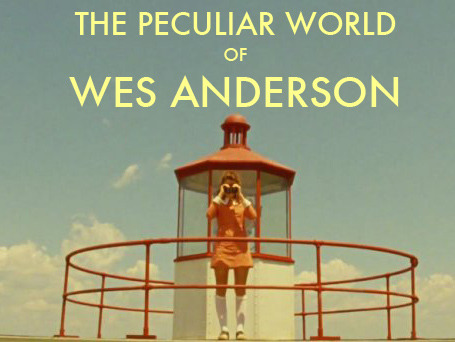
I really like Wes Anderson movies and as a brand builder I’m drawn to analysing why brands, like Anderson’s, are successful, and as he has a new movie coming out soon lets dive down the Wes Anderson Fox-hole. He has a recognisable brand that millions adore (and millions detest- and he’s true to his brand. For the first lesson – not counted – is to turn some people on, you must turn other off- don’t be afraid to make enemies for your brand you need these to have other fall in love and become your advocates. Beyond this, here are four lessons your could learn from Wes, and two warnings.
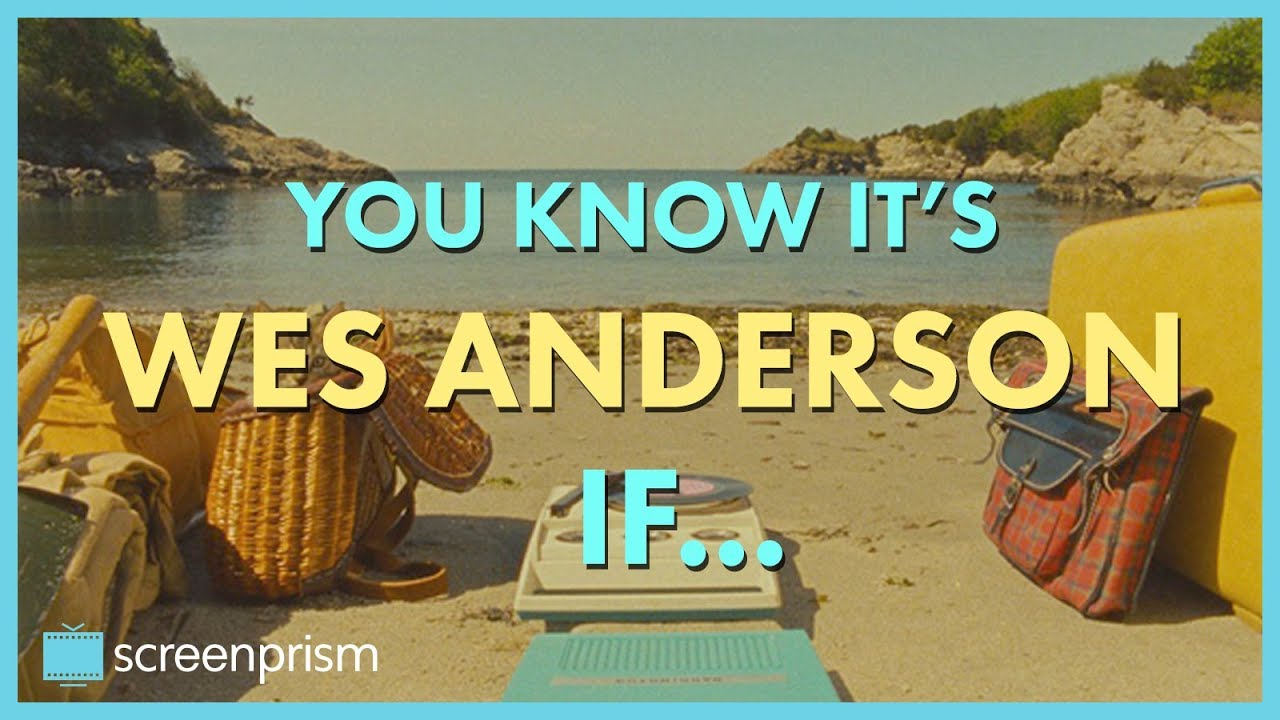
Wes Anderson has made a name for himself in the film industry with his unique style and storytelling. His films are instantly recognisable for their distinct visual style , quirky characters, and offbeat humour – check out Instagram’s Accidentally Wes Anderson. Over the years, he has built a strong brand identity that is instantly recognisable to his audience. So Strong he has been used as a content creator for fashion brand H&M and Prada (links to two ads on you tube- please watch them) where two iconic fashion brands hitch THEIR wagon to Wes’s brand not vice versa. Now that’s power in branding. As a consumer brand manager, lets focus on four critical lessons that can be learned from Wes Anderson’s attitude and skill in creating a powerful brand.
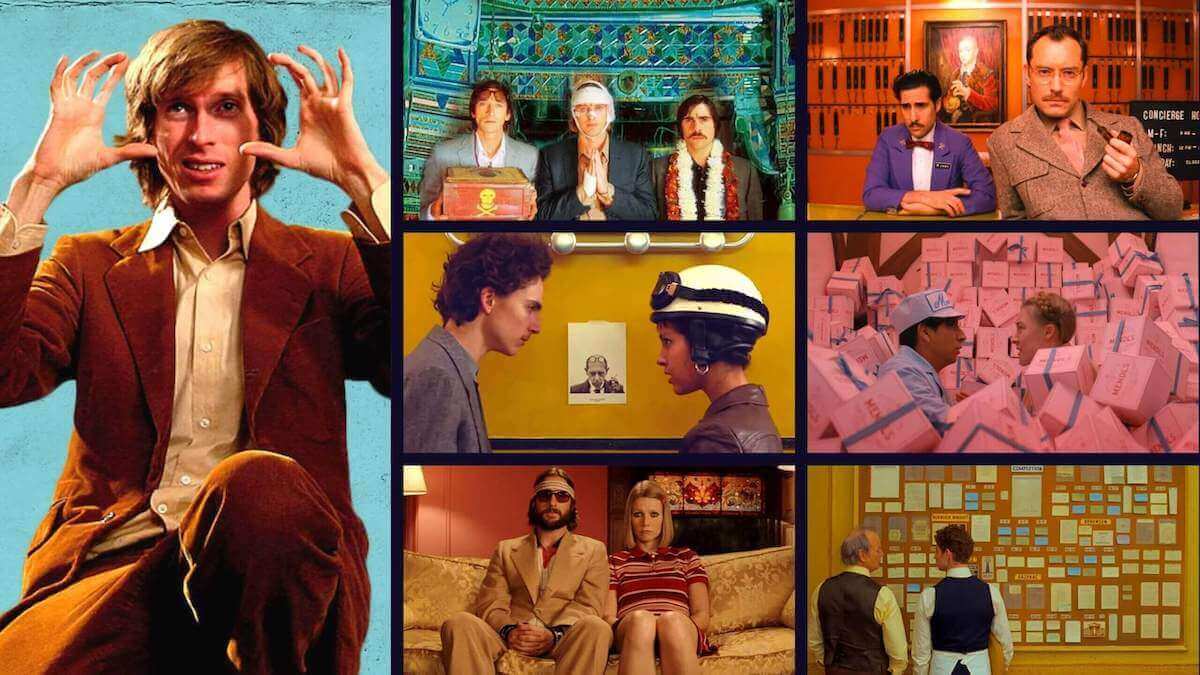
Lesson 1: Consistency is Key: Wes Anderson’s films are known for their distinct style, which he has maintained throughout his career. He uses a consistent colour palette, camera angles, and music to create a recognizable brand identity for his movies . Anderson’s movies really exemplify the concept of “good taste”— a visual exactitude and formal rigour and his style is getting getting sharper, more distinct in its extended perspective. As a consumer brand manager, it’s essential to maintain consistency in all aspects of your brand, including your logo, messaging, and visual identity. Wes never gets bored with his style; brand managers (especially new brand managers) in my experience are bored with their brands style and can seek to amend it to boost their chances of promotion.
Lesson 2: Know Your Audience Wes Anderson’s films have a specific target audience, which he knows very well. He creates movies for people who appreciate his unique style of storytelling, visual design, and humour. But these indy/hipsters 20-to-30 somethings people can buy H&M AND Prada… they know style but they have a flexible wallet. As a consumer brand manager, it’s essential to understand your target audience and create products or services that resonate with them, not with you. Only very rarely does YOUR personal taste align that our your audience, then a critical management skill is audience empathy… the ability to put yourselves in your customers shoes to know what they desire. Anderson doesn’t use research to build his brand, he empathises and delivers. I’m not saying don’t use research but recognize that research is not your audience and research can not replace empathy with and personal understanding of what your audience thinks, feels, hears and understands.
Lesson 3: Be Authentic Wes Anderson’s films are authentic and original, which sets them apart from others in the industry. He has a clear vision of what he wants to create, and he sticks to it, even when faced with criticism. Even when he creates ads for H&M and Prada he is authentic to HIS brand. As a consumer brand manager, it’s important to stay true to your brand values and be authentic in your messaging and actions its what your audience has bought into.

Lesson 4: Create Memorable Experiences Wes Anderson’s films are known for creating memorable experiences for the audience. His use of visual storytelling, unique characters but familiar faces , and music creates a world that viewers can immerse themselves in. Over time, Anderson’s visual style has stayed consistent, but his narrative style has become more restrained. He realises that he can not overwhelm his audience and as he dials up the visual experience he dials back – restrains- the emotional experience. As a consumer brand manager, it’s important to create memorable experience for your customers. And just like Anderson does not make exactly the same movies he knows the experience his audiences desires and works within these memorable guidelines. Brand managers need to do likewise whether through product packaging, in-store experience, or customer service.
Having said that, please note a couple of potential pitfalls that consumer brand managers could learn from Wes Anderson’s brand building. The first is the risk of becoming over reliant on a particular style or theme. While consistency is key, it’s essential to avoid becoming predictable and repetitive, as this can lead to stagnation and boredom for your audience. Wes Anderson’s films are known for their distinct style, quirky characters, and offbeat humour. While this has helped him create a unique brand identity, there is a risk of him becoming too formulaic in his storytelling hence there has been a transition in his style emphasising some elements and amending others. As a brand builder, it’s important to avoid becoming too reliant on a particular style or theme, as this can limit your brand’s potential and turn off potential customers.
Another potential pitfall is the risk of losing touch with your audience. While Wes Anderson has a loyal fan base, there is a risk of him becoming too self-indulgent in his filmmaking and losing touch with what his audience wants to see. As a consumer brand manager, it’s important to stay connected with your audience and adapt to changing trends and preferences reflected in the needs of your target audience to remain relevant and appealing to them.
Wes Anderson’s brand building skills offer valuable lessons for consumer brand managers, learn from these four key lessons but seek to avoid becoming too formulaic or losing touch with your audience. By balancing consistency with adaptability and staying connected with your audience’s needs and preferences, you can build a strong brand identity that resonates with your target market and evolves with the times.