
Executive Summary; using the DISC framework understand behaviour in high-stress situations, as seen in Netflix’s “Squid Game.” This analysis is essential for anyone looking to improve decision-making, leadership, and teamwork under extreme personal pressure. It offers practical insights into managing diverse personalities in challenging environments, both in personal and professional contexts.
The DISC framework, a renowned practical work-style and behavioural assessment tool, serves as an insightful lens through which we can examine human behaviour and decision-making in challenging scenarios. DISC categorizes personality traits into four major types: Dominance (D), Influence (I), Supportiveness (S), and Conscientiousness (C) (although in practice 80% of people blend two of these preferred styles). Each type represents a architype with a distinct set of behaviour preferences, influencing how individuals engage with their environment and others around them. Dominance pertains to assertiveness and control; Influence relates to communication and persuasion; Supportiveness (or Steadiness) embodies patience and teamwork; while Conscientiousness focuses on accuracy and organization.

Understanding DISC is a particularly useful tool to assist navigating complex interpersonal dynamics in high-stakes situations. It allows for a deeper comprehension of the preferred behaviours and potential reactions of different preference types, which is crucial in predicting outcomes and strategizing in challenging environments. This understanding is not just beneficial in workplace settings or personal development but extends to analyzing behaviors in any situation where pressure, high-stakes, and interpersonal dynamics play a significant role.
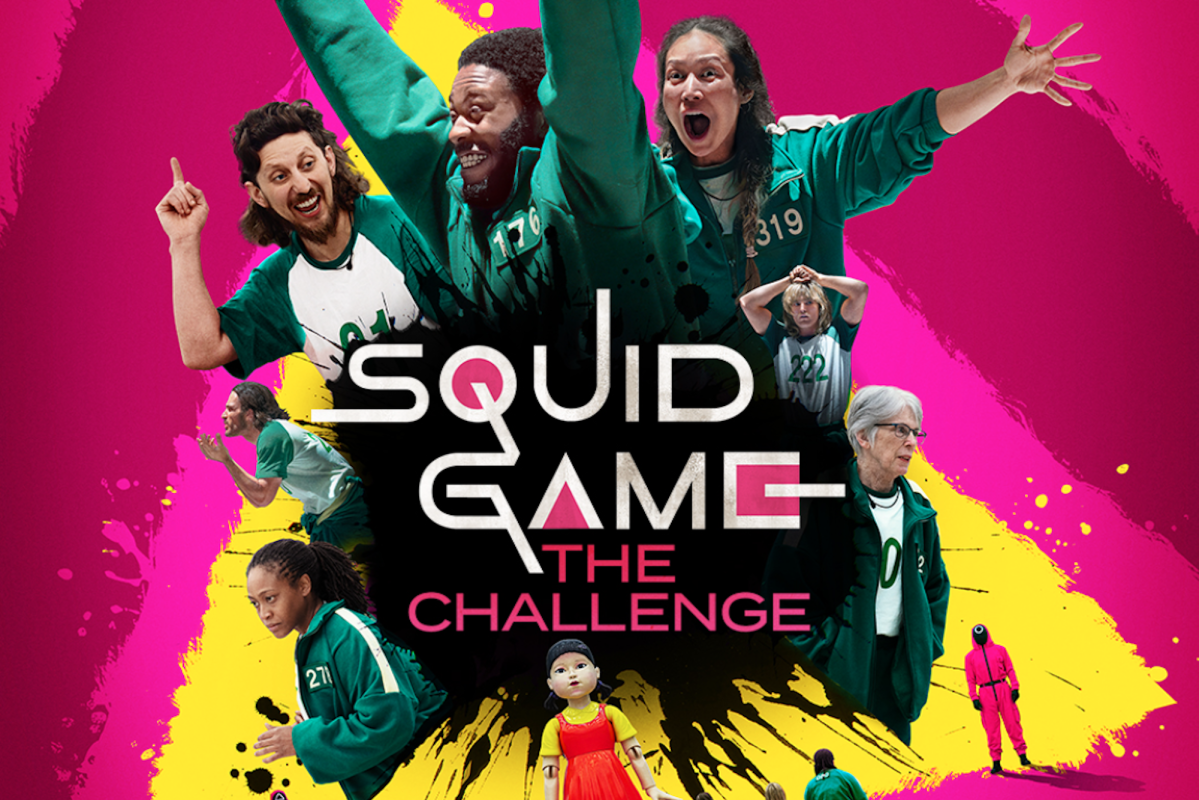
“Squid Game” is a compelling Netflix reality series and it represents an excellent context for exploring aspects of human behaviour under extreme stress. The series is set in a high-stakes game where depersonalized participants (known only by their numbers and wearing the same uniform) are driven by desperation and the allure of a massive (US$4.5 million) cash prize, and engage in a series of children’s games with deadly twists. The intensity and “life-or-death” nature of these games strip down the characters to their raw psychological states, making it an ideal scenario to analyze through the DISC framework.
In “Squid Game,” each person’s decisions, alliances, and strategies under extreme stress and moral ambiguity can be insightfully viewed through the lens of their DISC personality traits. For instance, a character with a high Dominance (D) might take a leadership role in the games, using assertiveness and fast outcome focussed decision-making skills to navigate challenges. But they could become victim of having too high a profile within the anonymous crowd. Conversely, an individual high in Supportiveness (S) might focus on building alliances and using empathy to survive but fall victim to the repeated losing of friends and allies with the trauma of an ever changing environment. While those with high Conscientious (C) traits might rely on careful planning and analysis but take too much time to create the perfect plan and be unable to see it implemented.
The series not only showcases individual behaviours in response to the games’ challenges but also delves into the dynamics of group behaviour, power structures, and the moral dilemmas faced by participants. These elements provide a rich backdrop for applying DISC principles, offering insights into how different personality types might respond to extreme pressure and moral crises
(1) Dominance and the Survival Context
Individuals with a preference for Dominance (D) are naturally inclined to take control in the “Squid Game” scenarios. For instance, in “Red Light, Green Light,” a D-type is likely to be among the first to strategize and move, using their assertiveness to navigate the game confidently. However, in a more complex game like “Dalgona,” (shaping biscuits with a needle) their preference for speed over accuracy is probably detrimental to survival.

Under the extreme stress of “Squid Game,” the assertiveness of D-types can intensify into aggressiveness. The high stakes and life-or-death scenarios may heighten their innate desire for control, potentially leading to more authoritarian and less collaborative behaviours. In team-oriented games, this can result in a more dictatorial style, where they might struggle to accommodate differing opinions or approaches, potentially leading to conflict within the group.
In individualistic games, D-types’ decisiveness is an asset, but in team-based games like “Tug of War,” (seen in the original Korean version) their challenge is to balance their natural results focused drive with effective teamwork. Their strategy might involve taking a leading role in organizing the team and making critical decisions, but they must be cautious not to become overly domineering, as this can lead to resentment or rebellion among team members.
The psychological impact on D-types in “Squid Game” is multifaceted. On one hand, their natural confidence and ability to make quick decisions can be empowering in such a high-pressure environment. On the other hand, the constant stress and need for vigilance can lead to increased aggression and impulsivity, potentially clouding their judgment. Furthermore, the moral dilemmas presented in “Squid Game,” particularly in games requiring betrayal or manipulation, might conflict with their inherent goal-oriented nature, leading to internal conflict between their desire to win and their personal moral compass.
(2) Influencing and Social Dynamics
In the environment of “Squid Game,” individuals with Influence (I) preferences might use their charisma in games like “Marbles,” where forming a quick emotional connection can be advantageous in engineering an approach advantageous to themselves. They are likely to employ their persuasive skills to negotiate alliances or to gain insights into other players’ strategies. For example, in “Glass Stepping Stones,” an I-type might influence others to take the lead, thereby gauging the safety of each step. However, their tendency to manipulate others when under pressure could backfire .
Under the extreme stress of the games, I-types may find their emotional responses heightened, leading to impulsive and less calculated social interactions. While they excel at building alliances, the constant threat of betrayal in “Squid Game” might cause them to overextend trust or make hasty decisions based on emotional rather than strategic considerations. The pressure can also exacerbate their desire for acceptance, potentially leading to risky decisions in an attempt to maintain or leverage social connections.
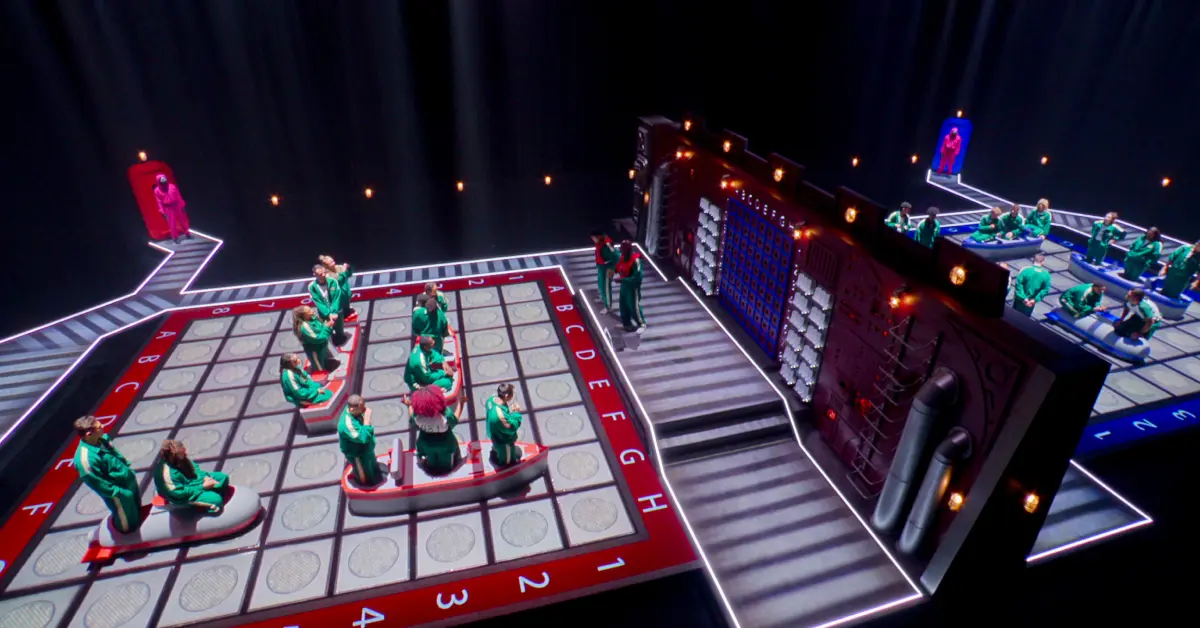
I-types face unique challenges in “Squid Game,” particularly in balancing their natural need for social engagement with the need for strategic gameplay. In a team-based game like “Battleships” while their ability to motivate and uplift team morale is an asset. Their strategy should involve not only leveraging their social skills but also developing a keen sense of when to hold back or proceed cautiously, especially in games where trust can be a significant vulnerability.
The psychological impact on I-types in “Squid Game” is complex. On one hand, their natural social abilities provide a sense of control and security through building alliances. However, the volatile nature of the game, which often pits allies against each other, can lead to emotional turmoil, as I-types grapple with the repercussions of their impulsive actions on relationships. The constant need to navigate social dynamics under life-threatening stress can also lead to emotional exhaustion, impacting their ability to make clear-headed decisions.
(3) Supportiveness in High-Pressure Situations
In the environment of “Squid Game,” Supportive (S) types may excel in team-oriented challenges, such as the “Tug of War,” where their ability to foster team spirit and cooperation can be pivotal. They might use their listening and mediating skills to keep the team focused and harmonious. However, in games that require quick, individual decision-making, like “Red Light, Green Light,” their tendency to deliberate and seek consensus may hinder their ability to act swiftly. In the marbles game, where emotional manipulation and betrayal are central, S-types may struggle, as their empathetic nature might conflict with the game’s requirement for deception or self-preservation at the expense of others.
Under the intense stress of “Squid Game,” S-types might experience heightened anxiety due to the constant pressure and abrupt changes. Their innate desire for stability and predictability is challenged, potentially leading to a slower response time as they try to process and adapt to the rapidly changing scenarios. Their conflict-averse nature might also become more pronounced, making them reluctant to engage in confrontational or aggressive strategies, even when necessary for survival.
S-types face significant challenges in the unpredictable and often morally ambiguous context of “Squid Game.” While their strengths lie in team-based challenges, they may find it difficult to navigate games that demand quick, ruthless decisions. For instance, in a game like “Glass Stepping Stones,” their tendency to seek group consensus could be a disadvantage in a situation where independent and quick decision-making is crucial. Their strategy should involve finding a balance between their natural cooperative approach and the need to be more assertive and decisive, especially in situations where hesitation can lead to dire consequences.
The psychological impact on S-types in “Squid Game” is significant. The constant threat and moral dilemmas present in the games can lead to internal conflict, as their natural empathetic and cooperative approach clashes with the game’s survivalist nature. This can result in feelings of guilt, anxiety, and moral distress, particularly in games that require betrayal or self-centred actions. The emotional burden of constantly adapting to a high-stress environment while trying to maintain their core values of supportiveness and harmony can be particularly taxing.
(4) Conscientiousness and Strategic Play
Conscientious (C) types in “Squid Game” are likely to excel in games that demand meticulous planning and attention to detail, such as “Dalgona,” their methodical approach would enable them to analyze approaches and calculate risks effectively. However, in a fast-paced game like “Red Light, Green Light,” where quick reflexes and spontaneous decisions are required, their tendency to deliberate and seek the best possible solution might hinder their performance. In team games, such as “Battleships,” their strategic approach could be invaluable in devising a winning strategy, but their need for thorough planning might clash with the need for swift decision-making.
Under the high stress and pressure of “Squid Game,” C-types might experience an intensification of their analytical nature. This could lead to overthinking and indecision, particularly in scenarios where quick decision-making is crucial. Their focus on creating a perfect plan could result in missed opportunities or inability to adapt to the rapidly changing and unpredictable nature of games. The high-stakes environment might also exacerbate their cautiousness, leading them to be overly risk-averse in situations where taking bold actions might be necessary for survival.
C-types face challenges in games that require flexibility and quick adaptation. For instance, in the “Marbles” game, where the rules are ambiguous and can change rapidly, their desire for clarity and structure might be a disadvantage. Their strategy should involve balancing their natural inclination for detailed analysis with the need to be more adaptable and responsive. C-types might benefit from setting internal time limits for decision-making to counteract their tendency towards analysis paralysis.
The psychological toll on C-types in “Squid Game” can be significant. The constant uncertainty and moral ambiguity of the games can conflict with their need for order and predictability. This dissonance might lead to increased stress and anxiety, as they struggle to reconcile their natural tendency for careful planning with the often chaotic and unpredictable nature of the game environment. The need to sometimes make decisions that go against their detailed and methodical nature can lead to internal conflict and cognitive dissonance, particularly in situations where ethical considerations are at play.
Each DISC style, therefore, navigates the moral landscape of “Squid Game” differently, with their inherent traits influencing how they handle ethical quandaries and the resulting cognitive dissonance. The game’s extreme scenarios amplify these moral challenges, putting the characters’ personalities to the test and often leading them to actions that conflict with their core values. This conflict not only adds depth to the characters but also provides a nuanced look at how different personality types deal with the complexities of moral decision-making under duress.
Insights from DISC Framework Application to “Squid Game”
The application of the DISC framework to the Netflix Reality TV series “Squid Game” reveals profound insights into human behaviour and decision-making under extreme stress. This analysis underscores the diverse ways individuals, based on their DISC personality types, navigate challenges, form alliances, confront moral dilemmas, and adapt to rapidly changing circumstances.
Dominance (D) types demonstrate the advantage of decisive leadership and a pragmatic approach to survival but often face the pitfall of neglecting the emotional dynamics of group interactions. Influencing (I) types excel in utilizing their social skills to navigate complex interpersonal dynamics, yet their high visibility and emotional decisions can become their Achilles’ heel. Supportive (S) types bring a sense of empathy and collaboration, vital for group cohesion, but may struggle with the competitive nature of high-pressure situations especially when in conflict with their ‘team members’. Conscientious (C) types, with their detail-oriented approach, excel in strategic planning, though they may be hindered by their need for perfection and struggle in adapting to rapid changes and need for rapid decision making.
The idealized winning strategy in “Squid Game,” irrespective of DISC preference, would involve a balance of all these traits. It would require the decisiveness of D, the interpersonal skills of I, the empathy of S, and the strategic planning of C. Thus Flexibility and Adaptability emerges as a key factor; the ability to recognize personal behavioural biases and to swiftly switch between different approaches as the situation demands is crucial. This strategy also involves recognizing and mitigating cognitive biases, balancing between instinctive and analytical decision-making, and maintaining a flexible moral compass, capable of navigating the game’s ethical complexities.
Reflecting on the broader applicability of DISC in extreme scenarios in real life, this analysis illuminates how different personality types respond to high-stress situations, be it in crisis management, competitive business environments, or personal challenges. Understanding these dynamics can aid in developing more effective strategies for teamwork, leadership, and personal growth. It highlights the importance of self-awareness and the ability to understand and adapt to the varying personalities and behaviours of others.