

We live in a very trusting investment world.
The business model appears to be;
- Set up a company, with a tech-like focus
- do amazing PR at a time when more money than sense is looking for a home (thank you loose monetary policy),
- expand in such a way that no one is much bothered by the impossibility of profitability,
- focus on generating market share to create a “network effect”
- make the game last at least until you are rich.

Blue Apron Holdings Inc., the at-home meal-kit delivery company, is one prominent example whose compelling story hasn’t had a happy ending. According to its IPO prospectus, Blue Apron set a goal that it would eventually expand to the point where it could sell meals to 99% of Americans. Last month, it lowered expectations, saying its core product could serve 50 million U.S. households, or less than half of American homes.

Look at the recent listings in the US. There’s been Spotify, Uber, Lyft, Beyond Meat and Snapchat to name a few. They’re all loss making. They mostly justify this on the basis that the way to success these days is not to chase profits but to chase network creating market share while producing significant amounts of technobabble about how much the data you will collect as you pay to dominate your market and how much that will one day be worth.
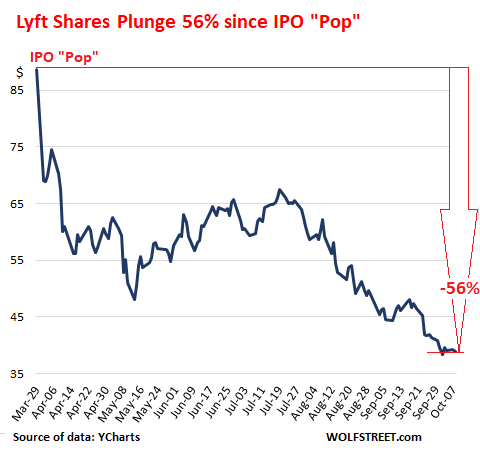
Shareholders don’t receive any income from these companies; they just get to pay ultra-high valuations and imagine that they might one day be able to sell their shares to someone more gullible. Or not. Uber’s own IPO prospectus, while looking for a $100bn valuation, noted that it “may not achieve profitability”
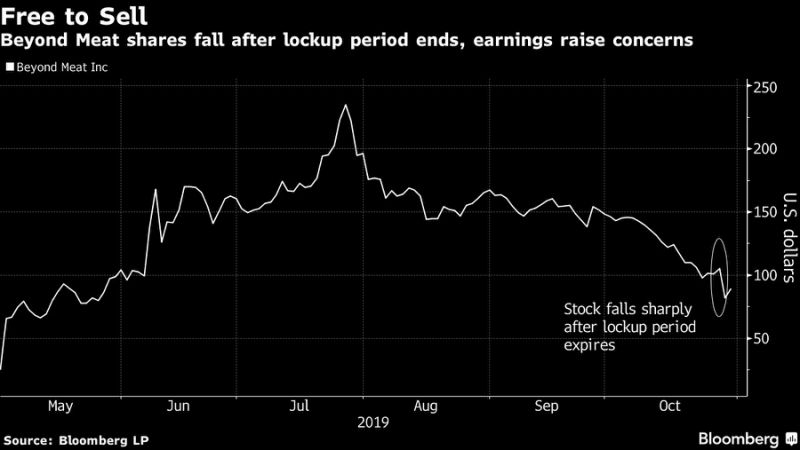

Are these malinvestments driven by the endless upward price momentum provided by super-low interest rates? Absolutely.
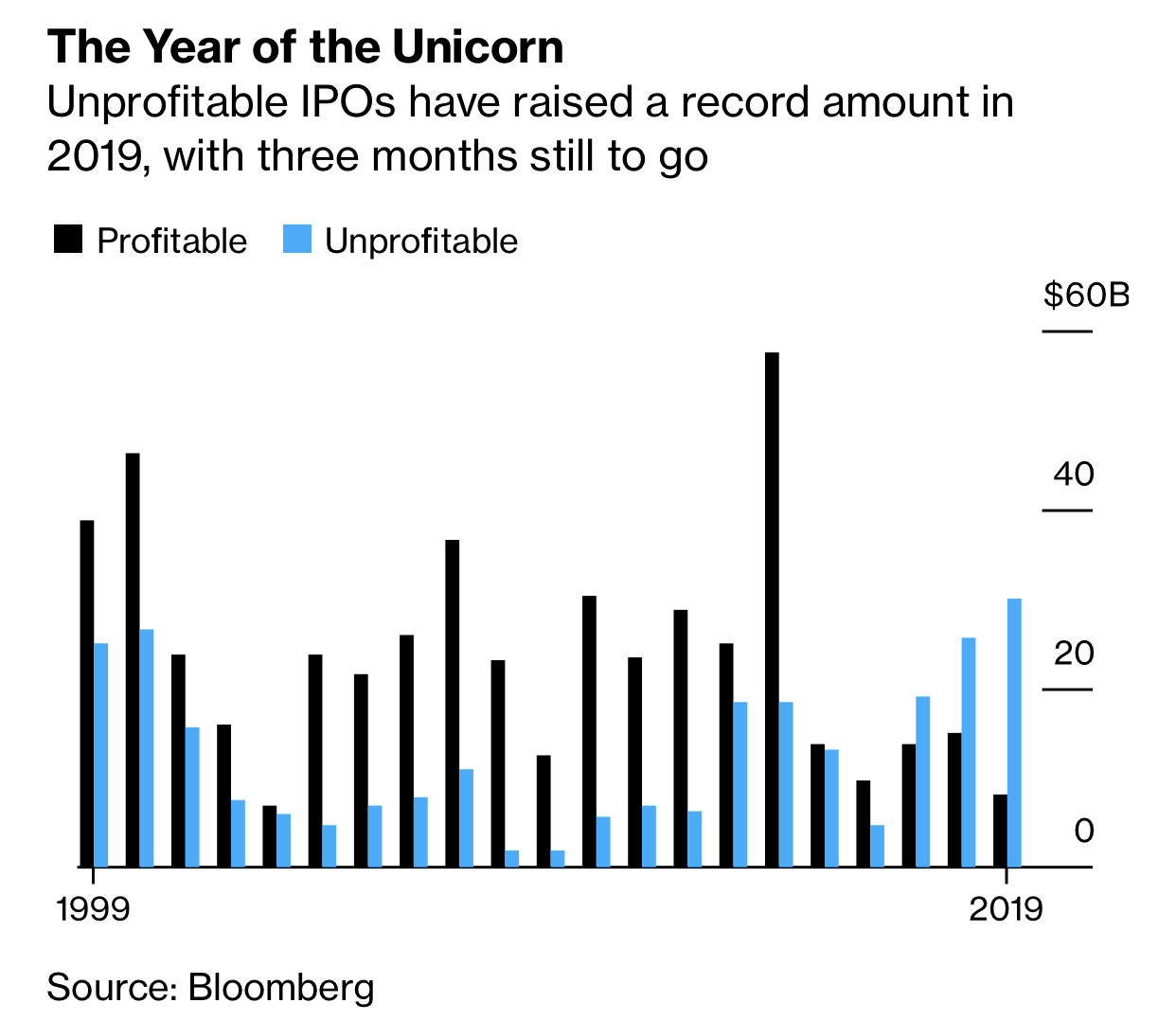
And given that not only may they never make money, but also that their founders and managers know they may never make money, is this a crime? These companies are only part of the problem of course — cheap money creates “psychic profits” (fake valuations creating the impression of wealth) anywhere. You can argue that this dynamic exists throughout the tech sector in the US, where valuations have escalated without any increase in the earnings meant to underpin them.
The good news is that we are also seeing examples of the end of illusions. WeWork is the obvious one where the impression of success has absolutely collapsed. Around the world many IPO darlings are struggling to succeed once their finances are forced to adhere to GAAP.
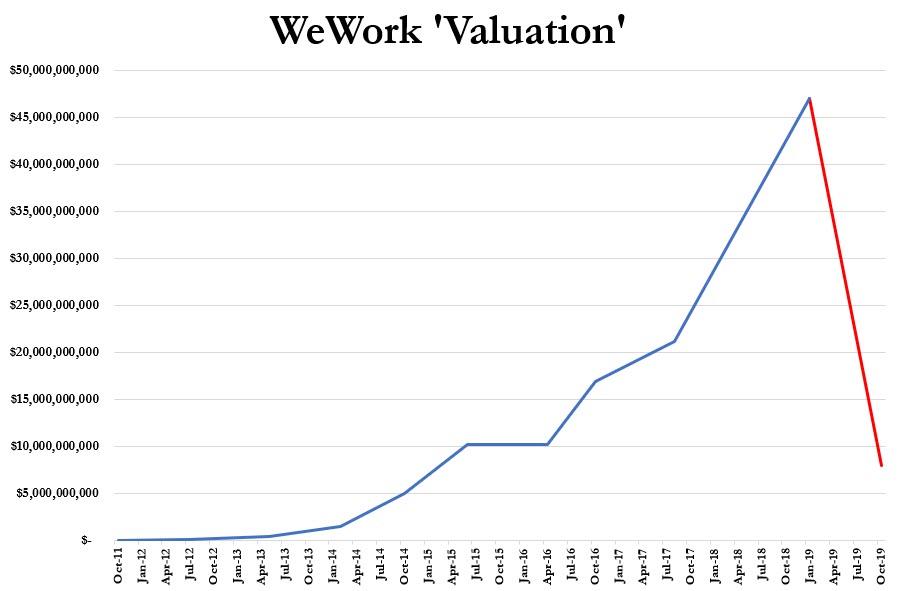
Things inevitably will change as our economy slows — as the global economy is now.
Author J.K. Galbraith, who wrote about the crimes that created the 1929 stock market crash- said audits become “penetrating and meticulous” and those to whom we give our money are “assumed to be dishonest” until proven otherwise.
Investors will go from trusting to suspicious as interest rates rise and as more IPO darlings crash and burn. That bit of the cycle might be nearly upon us.