
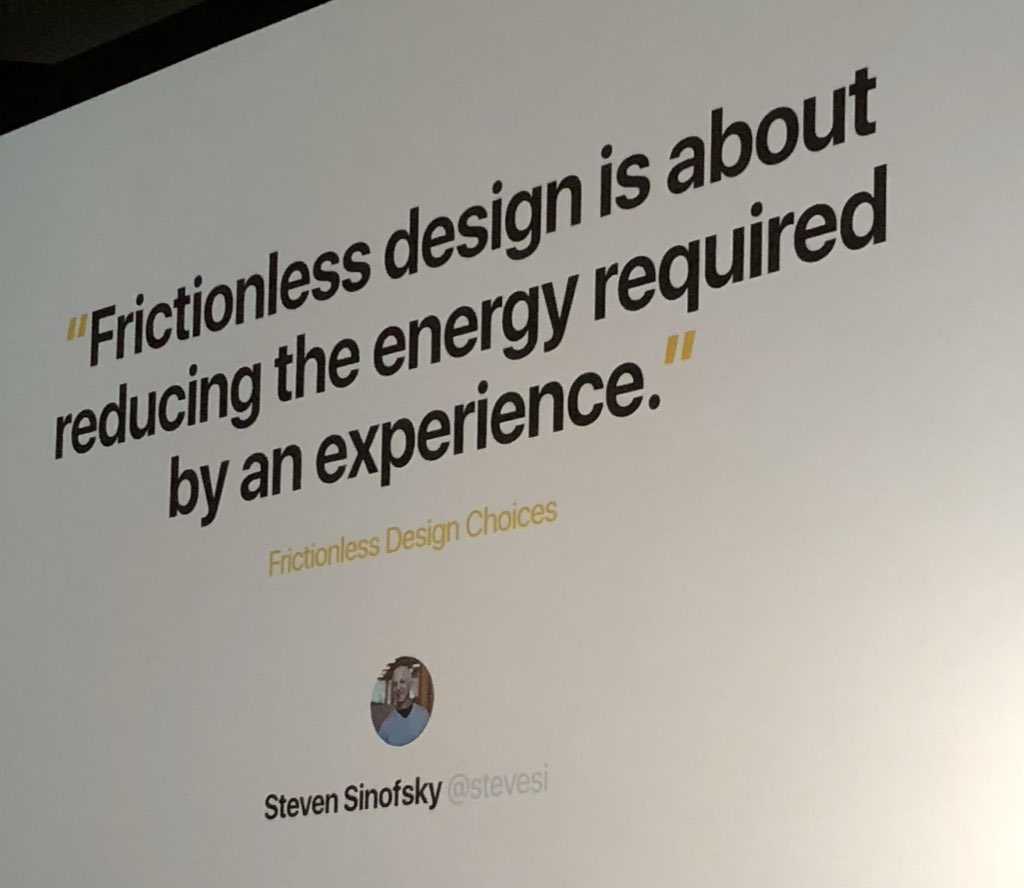
Humans are “friction-obsessed”; Friction is our ultimate foe in a constant crusade for efficiency and optimization. It slows us down and robs us of energy and momentum. It makes things hard. We dream of futures where things run smoothly and effortlessly, where it’s all so easy.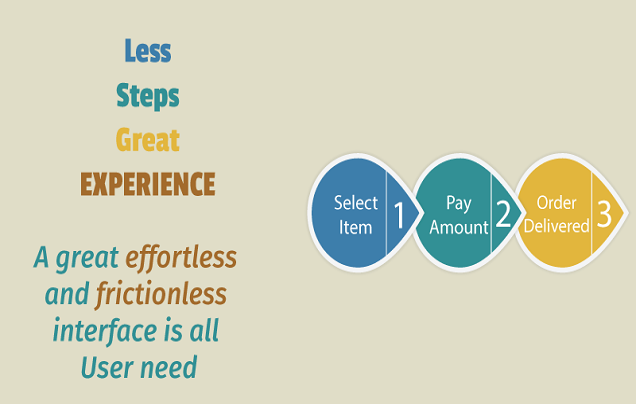
Driven by this vision, we’ve constructed a vast techno-industrial complex that churns out endless products aimed at smoothing increasingly insignificant inconveniences.

Counter-intuitively, in 2012, psychologists completed a study that asked participants to assign monetary value to a simple storage box from IKEA. One group had to build their own box while the other group was given a prebuilt box. Both groups were then asked what they thought the box was worth. The group that built their box valued it significantly higher than those who received the prebuilt version.
In this case, building the box added an extra layer of friction to the process. That friction, dubbed “the IKEA effect,” infused a sense of ownership and purpose into the box that made it more valuable to the participants who built it. This effect, however, only held to a point. As the researchers dug deeper, they discovered that value was not created if the box was too difficult to build. As the researchers put it: “We show that labour leads to love only when labour results in successful completion of the task.”
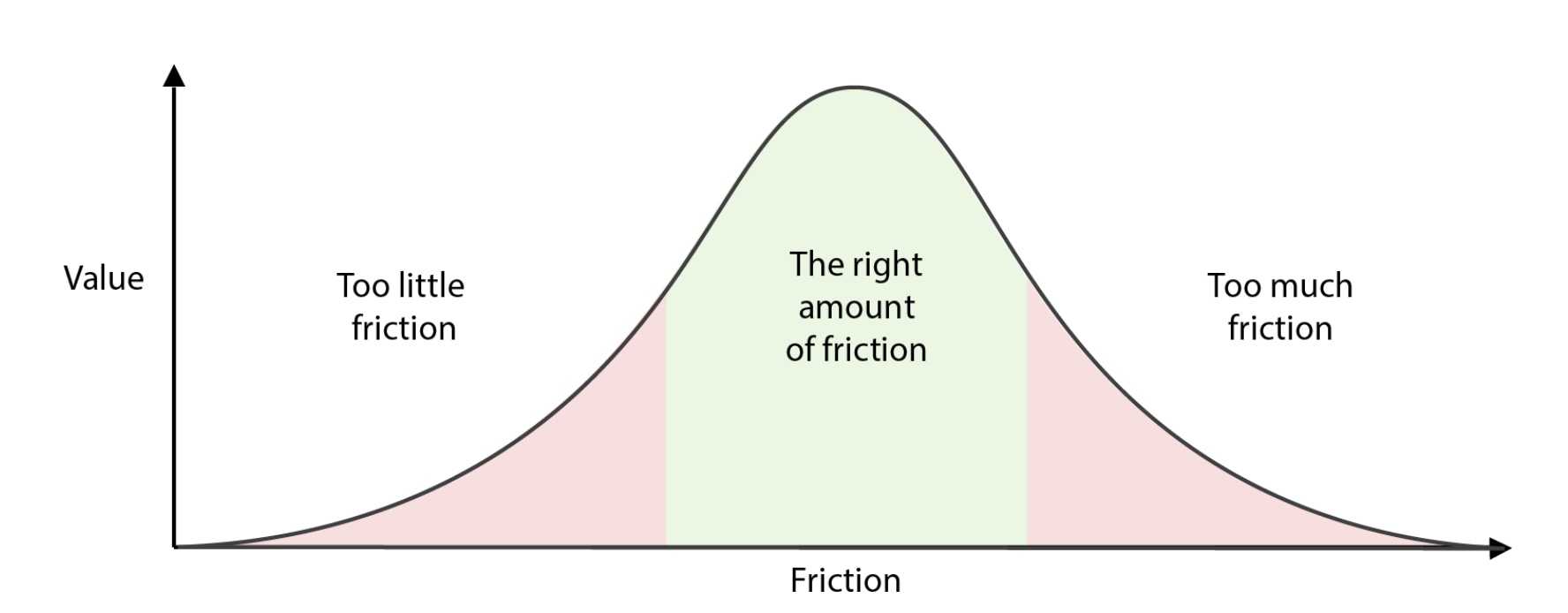
The results of this study set up a bell curve of friction versus value. Both too much friction and too little friction reduce the customer’s perception value, but just the right amount of friction maximizes it.
Similarly, Amazon delivers value by making it easy to find and buy almost anything. However, the steps you must take to purchase an item on Amazon still represent a small dose of friction. To remove this final bit of friction, Amazon implemented a “one-click” buy button which eliminates the need to complete their friction-creating checkout steps. To take this even further, they created a smart button called Amazon Dash, which allows a person to order frequently used products without even visiting Amazon’s site. These features solve a problem for Amazon, bringing them more revenue more quickly, but based on what we know already, a frictionless shopping experience may actually be detrimental to customers.

For many the friction of the checkout process provides a check against impulse purchasing and overspending. In a world where many people struggle to manage their money, these small barriers can be critical to maintaining a fine financial balance. While the market would dictate that it’s not Amazon’s job to help its customers control their spending, lowering the barrier to impulse purchases could have a net negative effect on the value people get from Amazon’s service. The Dash button, for example, eliminates so much friction that customers may not even know how much they’re spending until after they’ve completed a purchase.
We crave purpose and meaning in our lives. Yet, many of us subscribe to the guiding marketing & design belief that we must eliminate all inconvenience and friction in order to maximize the time we can spend on “the things that matter.” Unfortunately, as illustrated by the IKEA effect, we may be going about design all wrong. We need to reassess our relationship with some necessary frictions in life to create value to add meaning. We reduce the likelihood of value, purpose, and satisfaction when we focus on smoothing increasingly benign inconveniences